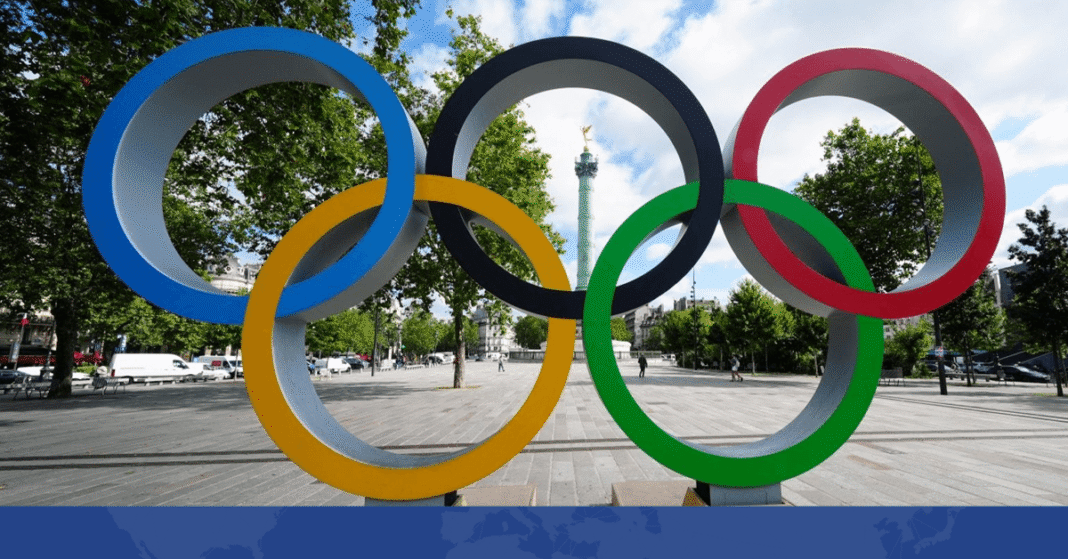

The UK government is set to allocate £7 million to explore the possibility of bringing the Olympic and Paralympic Games to northern England in the 2040s, with a full feasibility study expected to be announced in Chancellor John Healey’s first Budget on Wednesday.
The proposed funding would support a detailed assessment of whether northern England could host an event of such international scale, how the Games might be organised across several cities and what the potential costs and benefits would be.
The plan, described as a potential bid for the “Northern Games”, has received backing from Northern Mayors and a group of former Olympians, including Dame Laura Kenny and Dame Sarah Storey.
Although the proposal remains at an exploratory stage, supporters believe hosting the Games could create new opportunities for communities across the North and allow more people to experience the excitement of the Olympics closer to home.
Andy Burnham Says Games Could Bring Communities Together
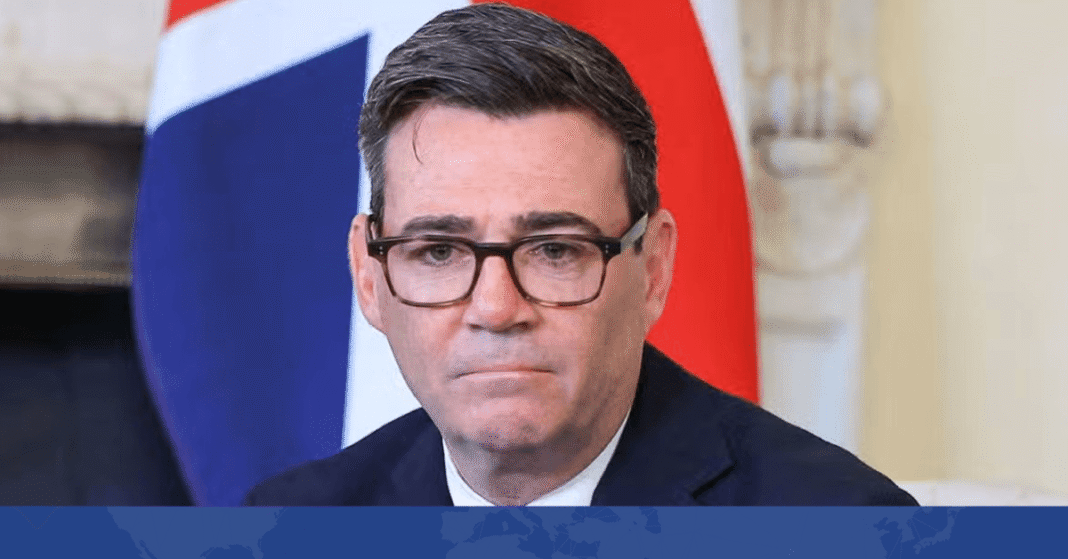
Prime Minister Andy Burnham has expressed support for exploring the proposal, saying the Olympics have the power to unite people across the country.
“Few things bring a country together quite like the Olympics,” Burnham told the BBC.
He said he wanted people to experience the excitement of the Games in their own towns and communities, rather than watching the event only on television.
Burnham also suggested that hosting the Olympics could unlock opportunities across towns and cities, creating an event that people throughout the country could support and take pride in.
His comments reflect the ambition behind the Northern Games proposal: to explore whether a major international sporting event could deliver benefits beyond the competition itself.
What Would the £7m Study Examine?
The government first asked UK Sport to conduct an initial assessment of the idea in May. The proposed feasibility study would take the work further, examining the practical requirements of hosting the Games across northern England.
The study is expected to consider several key questions, including:
- Sports venues: What facilities would be needed to host Olympic and Paralympic events?
- Transport: Would existing transport links be sufficient, or would additional infrastructure be required?
- Shared hosting: How could different cities and towns divide responsibility for staging the Games?
- Local benefits: How might communities across northern England benefit from hosting the event?
- Financial costs: How much could the Games cost, and what would the potential economic benefits be?
- Bid prospects: How realistic would it be for the UK to secure the right to host the Games?
The study will involve the government, UK Sport, Northern Mayors, the British Olympic Association and the British Paralympic Association.
Its findings would help determine whether the proposal is practical and whether a formal bid should be pursued.
Lessons from London 2012
The UK last hosted the Olympic Games in London in 2012, an event that remains an important reference point in discussions about a possible future bid.
A 2013 report by the then UK Trade and Investment department estimated that London 2012 generated a £9.9bn boost to the economy through new contracts, sales and foreign investment.
However, that estimate was questioned by organisations including the Federation of Small Businesses and the National Institute of Economic and Social Research.
The cost of hosting the London Games was estimated at £8.9bn by the Conservative-Liberal Democrat coalition government at the time.
These figures illustrate why a detailed financial assessment will be important before the Northern Games proposal progresses. Any future bid would need to consider not only the potential economic opportunities but also the costs of venues, transport and other facilities.
The proposed study is intended to examine those questions in greater detail rather than assume that the experience of London 2012 could simply be replicated in the North.
John Healey Highlights the Potential Long-Term Legacy
Chancellor John Healey has backed further work on the proposal, arguing that the impact of the Olympics can last long after the sporting events have ended.
“Olympic legacy lasts way beyond the celebration of sport over the summer,” Healey said.
He described the possibility of northern England hosting an event of this scale as an unforgettable opportunity and said the government was accelerating its work to explore a potential bid.
Healey also highlighted the prospect of creating opportunities for communities and delivering a wider boost for the UK.
However, the extent of any long-term benefits would depend on the final proposal, its cost and how effectively the facilities and investment could serve communities beyond the Games themselves.
Olympic and Paralympic Organisations Welcome the Proposal
The British Olympic Association, ParalympicsGB and UK Sport have welcomed the government’s continued support for exploring a potential bid for the 2040s.
In a joint statement, the organisations said they looked forward to working together to examine the opportunity and the benefits it could bring to the country, as well as to the international Olympic and Paralympic movements.
Their support marks another step in the process of assessing whether the UK could host the Games again.
No Final Decision Yet
Despite the growing support for the idea, northern England has not been confirmed as a future Olympic host.
The proposed £7m allocation would fund a feasibility study, not the staging of the Games themselves. The next stage will be to establish whether the proposal is financially and practically viable and whether a formal bid would have a realistic chance of success.
For communities across northern England, the prospect raises the possibility of greater international attention, sporting opportunities and investment. But the scale of those benefits—and the cost of delivering them—remains to be assessed.
The forthcoming study is therefore a significant step in examining the idea, rather than a guarantee that the Olympics will come to the North.
The central question now is whether northern England can develop a realistic plan to host one of the world’s biggest sporting events while ensuring that the investment delivers lasting value for local communities.
Source: BBC