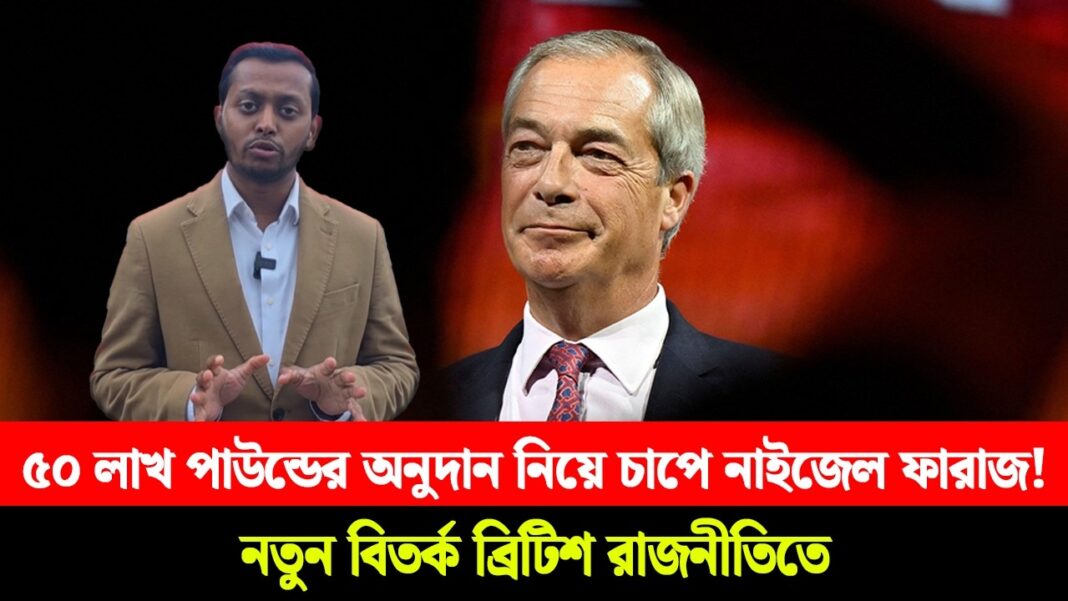
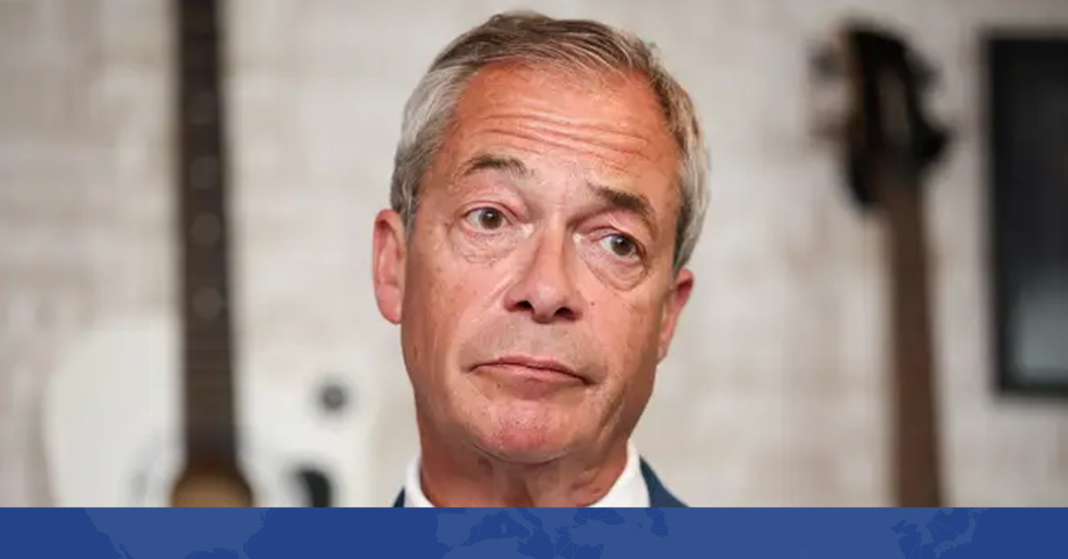

Reform UK leader Nigel Farage has defended a £5 million gift from businessman Christopher Harborne, saying the money was given as a “reward for campaigning for Brexit” over nearly three decades.
Speaking to media outlets, Farage said the payment was provided on a “completely unconditional basis” and insisted that he could not be influenced by donors. He also stated that the money did not affect his decision to return to frontline politics.
The controversy centres on whether the payment should have been declared in Parliament’s register of interests after Farage became MP for Clacton in 2024.
Farage has previously argued that he was under no obligation to declare the gift, saying it was received before he entered Parliament and was intended for his personal security rather than political purposes.
However, opposition parties have questioned the transparency of the payment, arguing that voters deserve clarity over large financial gifts received by elected politicians.
The Parliamentary Standards Commissioner has now launched an investigation into whether Farage breached Commons rules by failing to register the payment.
Under parliamentary rules, MPs are required to declare financial interests and significant benefits received within the 12 months before their election if they could reasonably be considered relevant to their role.
The rules also state that if there is uncertainty about whether a gift should be registered, it is generally safer for MPs to disclose it publicly.
Christopher Harborne, a British cryptocurrency investor based in Thailand, has publicly said the money was given because of his admiration for Farage’s long-standing role in the Brexit movement. Harborne stated he expected nothing in return other than support for Farage’s personal safety.
Harborne has also been a major donor to Reform UK, contributing millions of pounds to the party in recent years. He has previously donated to the Conservative Party as well.
Political opponents from both Labour and the Conservatives have called for further scrutiny of the payment, saying the situation raises important questions about political transparency and accountability.
If MPs are found to have breached parliamentary conduct rules, possible penalties can range from an apology to suspension from the House of Commons in more serious cases.